
AI-Driven Smart Manufacturing Transformation: A Four-Stage Service Framework from Consulting to Implementation
Based on our experience serving over 3000 enterprise clients, we break down AI-driven digital transformation into four phases—diagnosis, design, deployment, and measurement—each with clear deliverables and evaluation criteria to turn concepts into quantifiable business value.
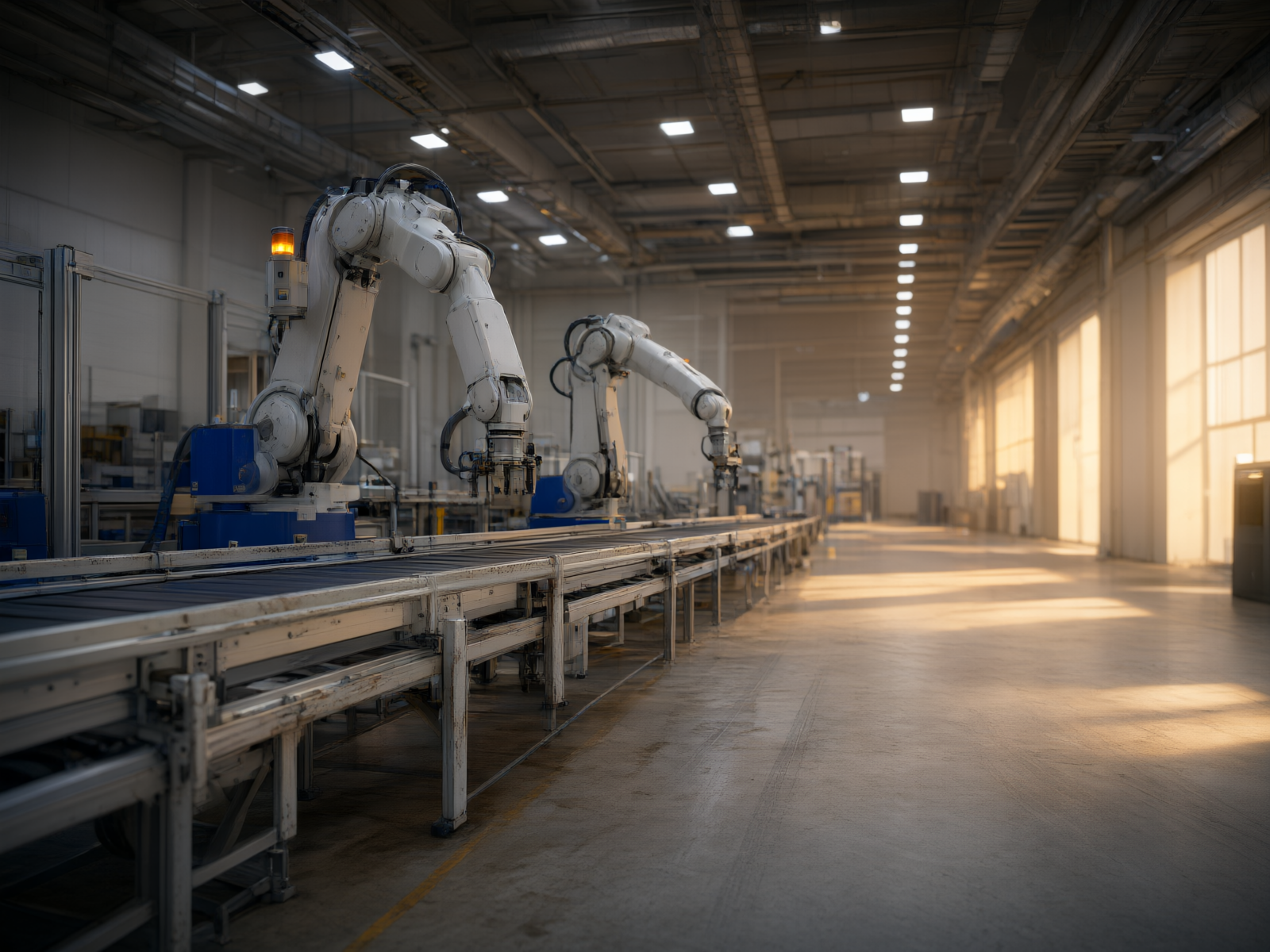
Digital transformation in smart manufacturing often requires significant investment yet delivers hard-to-quantify returns—a common challenge for many manufacturers. The issue rarely lies in the technology itself, but rather in the lack of a complete service methodology that spans from consulting to implementation. Drawing on our experience serving over 3000 enterprise clients, we break down AI-driven digital transformation into four stages: diagnosis, design, deployment, and measurement. Each stage includes clear deliverables and defined evaluation metrics, turning transformation concepts into measurable business value.
Phase 1: Scenario Diagnosis & Value Assessment
The starting point of digital and intelligent transformation is not choosing technology, but identifying use cases. We typically run a 2-4 week diagnostic cycle, deploying a team of industry consultants and algorithm engineers to your production lines to conduct a comprehensive assessment of equipment status, process workflows, and data foundation.
The core deliverable of our diagnostic is a "Scenario Value Matrix." We score potential AI use cases across three dimensions: Business Impact (the magnitude of improvement in yield, energy consumption, or delivery cycle), Technical Feasibility (data quality, equipment interface maturity, and algorithm fit), and Implementation Timeline (time required from PoC to scaled deployment). After weighted ranking, the customer receives a clear priority roadmap—not a generic technical proposal.
Phase 2: Solution Design and PoC Validation
Once the scenario is defined, proceed to the technical solution design phase. The key actions in this phase involve translating business requirements into executable engineering plans and validating the technical approach through a proof of concept (PoC).
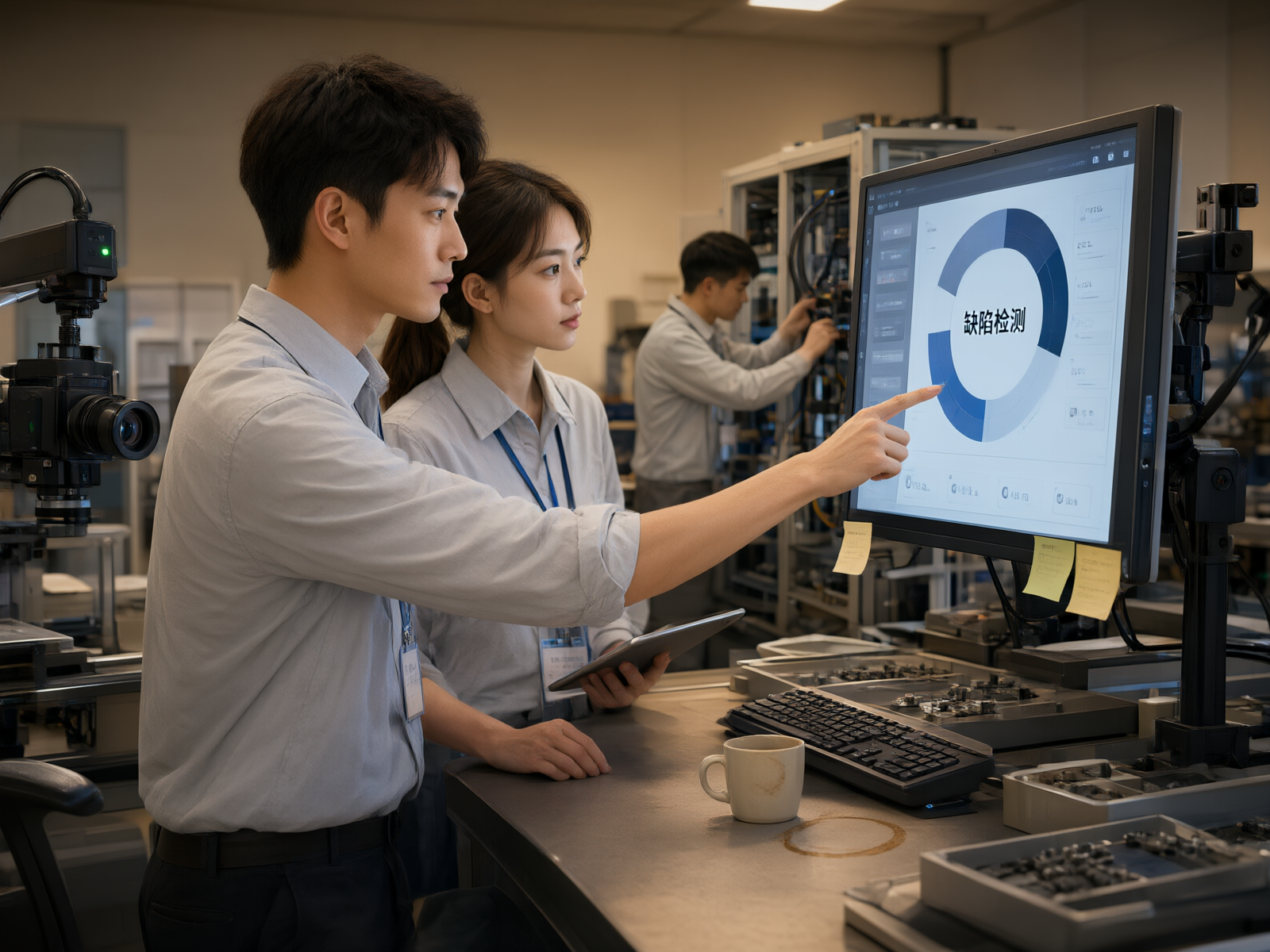
Using a visual inspection project for a precision parts manufacturer as an example, we completed three key tasks during the solution design phase: First, determined detection accuracy requirements and selected algorithms based on production line cycle time and defect types; Second, designed a collaborative architecture between edge computing nodes and a cloud training platform to ensure inference latency meets real-time requirements; Third, trained an initial model using over 2000 defect samples provided by the client and conducted parallel testing on a single production line.
The core value of the PoC phase is transforming "theoretically feasible" into "empirically verifiable." By the end of this phase, customers receive clear comparative data—AI detection accuracy, miss rate, and per-item inspection time—directly benchmarked against manual quality control. This quantitative comparison serves as the decision basis for scaling investments.
Phase 3: System Deployment and Production Line Integration
After successful PoC validation, the project moves to scaled deployment. The challenge here lies not in the model itself but in engineering implementation: the AI system must operate reliably in real production environments and integrate seamlessly with existing systems like MES and ERP.
Our deployment methodology emphasizes "phased rollout and continuous iteration." Using the visual quality inspection project as an example, large-scale deployment proceeds in three steps: Step 1 covers all 6 production lines with the detection system while establishing a closed-loop data collection and labeling pipeline; Step 2 integrates detection results into the customer's quality management system to enable automatic defect root-cause analysis and feedback for real-time process parameter adjustments; Step 3 launches the model monitoring dashboard to automatically trigger retraining when detection accuracy drifts.
The depth of system integration determines the ultimate value of AI projects. True digital transformation is achieved only when AI outputs are embedded directly into production decision-making processes, rather than remaining at the level of "providing recommendations."
Phase 4: Outcome Measurement and Value Audit
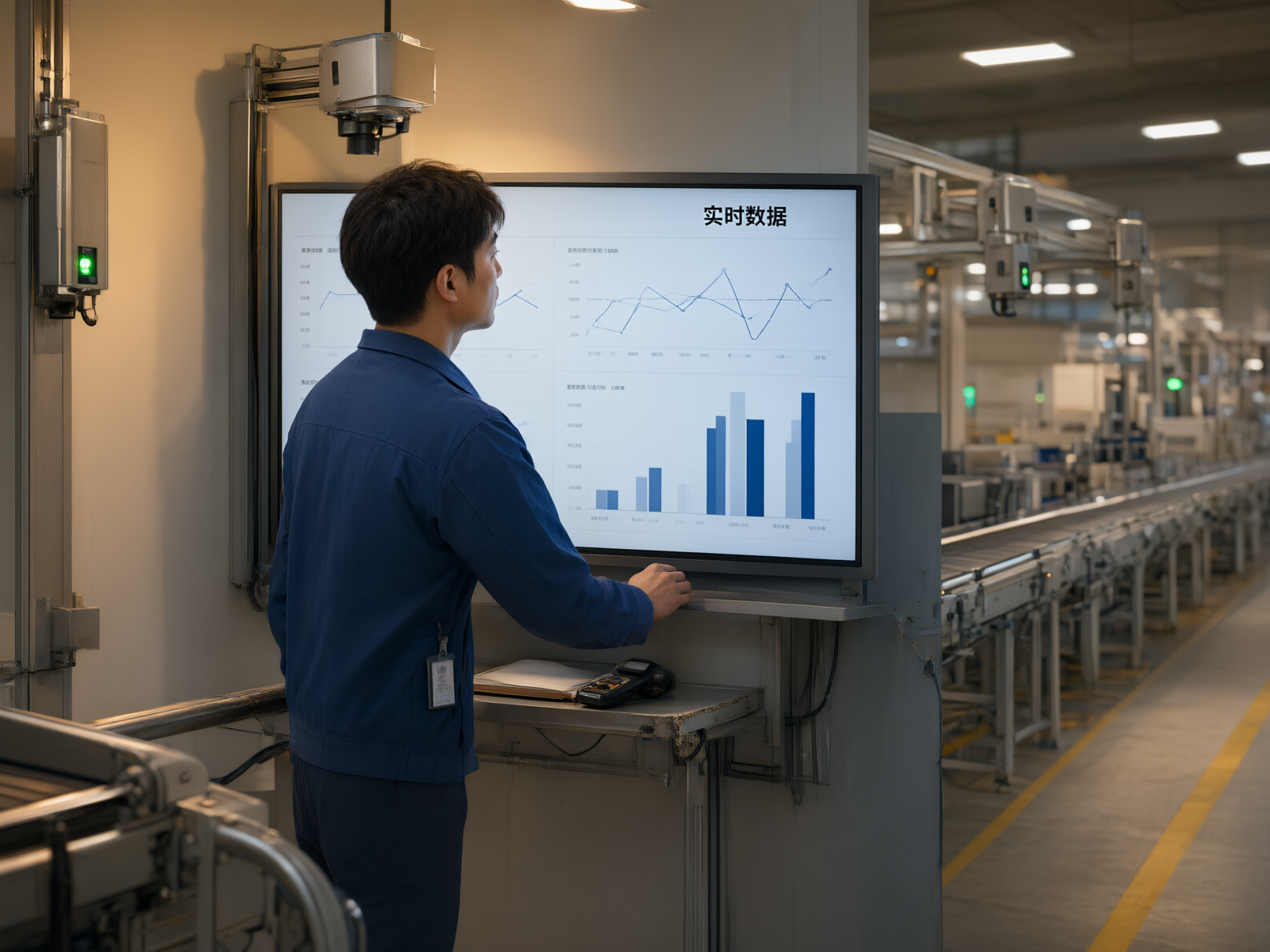
Deployment completion is not the end, but the starting point for value validation. We have established a four-dimensional quantitative assessment framework to measure the actual business impact of AI systems post-launch.
Dimension 1: Direct Efficiency Metrics – labor cost savings, inspection efficiency improvement rate, and yield improvement. Dimension 2: Cost Savings Metrics – reduction in raw material waste, energy consumption decrease rate, and shortened unplanned equipment downtime. Dimension 3: Indirect Benefit Metrics – order delivery cycle compression (days), customer complaint rate reduction, and related gains. Dimension 4: Capability Accumulation Metrics – data asset scale growth, decision response speed improvement, and changes in organizational digital maturity.
Using actual data from a partner company, after 6 months of deploying the AI quality inspection system, manual costs in the inspection phase decreased by 62%, defect miss rates dropped from 3.8% to 0.5%, and monthly output increased by an average of 18%. These figures directly address whether the AI investment is worthwhile and provide a quantified baseline for future expansion planning.
Conclusion
From scenario diagnosis to value auditing, four stages form a complete closed loop. AI-driven digital transformation is not merely a technology project—it's a systemic endeavor. With clear deliverables and evaluation criteria at each stage, enterprises can turn transformation uncertainty into manageable, measurable business outcomes.
Related Solutions
Enterprise AI Transformation + FDE Advisory Coaching
Provides end-to-end AI-driven digital transformation top-level planning and full-cycle implementation support for enterprises.
When SRM Meets AI Agents: Supply Chain Management is Evolving
Has your enterprise implemented SRM? Where are you stuck—data, rules, or organization?
AI Agents in the Workshop: A MOM Manufacturing Operations Solution Built on WorkBuddy
AI Agent + MOM: Bridging the Gap from "Chatting" to "Getting Things Done" with a Robust Foundation.