
Equipment companies deliver more than just hardware—they deliver on-time, profitable projects!
End-to-End Lifecycle Management Solution for Equipment Manufacturing Projects
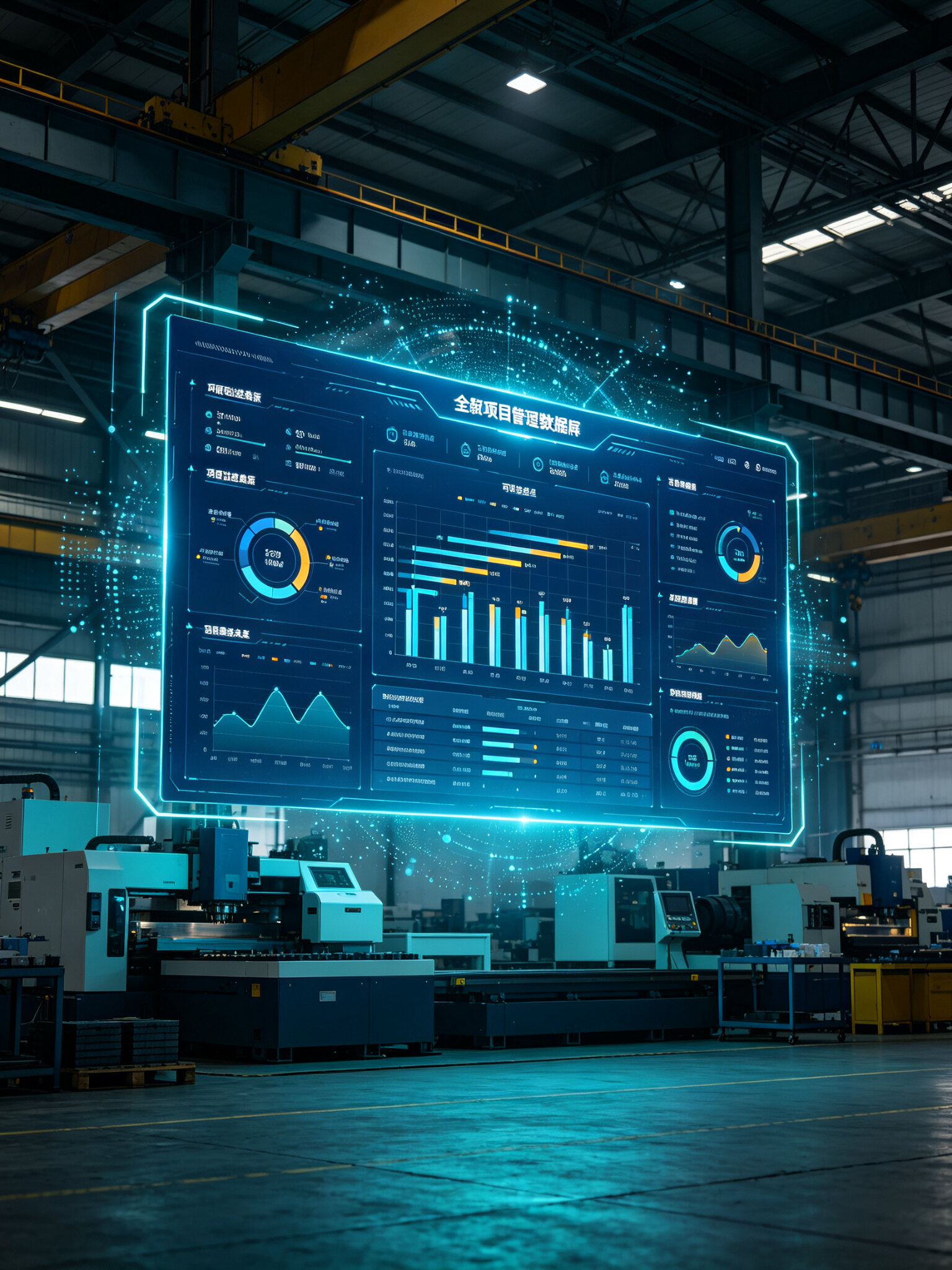
Lead
At 8:00 AM, a project manager at a major non-standard equipment manufacturer opened their phone and saw three alerts simultaneously: the client is pushing for delivery, procurement reports a critical component is still with the supplier, and the workshop has flagged another drawing revision. They forwarded all three messages to the project group chat, replied "Coordinating now," and began their day of calls.
This is daily life for equipment manufacturing companies. This industry sells "projects," not "products." From signing to acceptance, a single piece of equipment may take months or even a year to complete, passing through seven stages: design, procurement, production, assembly, commissioning, delivery, and after-sales support. A bottleneck in any one stage delays the entire project.
This article cuts through the fluff and focuses on four key points: what makes project management in equipment manufacturing challenging, what full lifecycle project management entails, what a comprehensive solution looks like, and how enterprises can get started with implementation.
Pain points of the equipment manufacturing industry:
1. You deliver projects, not products: Why is equipment manufacturing always behind schedule?
2. From "Person-to-Person" to "Full-Link Visibility": A Comprehensive Guide to Lifecycle Management in Equipment Manufacturing Projects
3. How many management blind spots lie between device signing and delivery?
4. 70% of projects have undergone major changes: How to plug the cost black hole in equipment manufacturing?
5. In the era of project-based manufacturing, equipment manufacturers need a unifying thread that spans "sales, R&D, production, supply, and service."
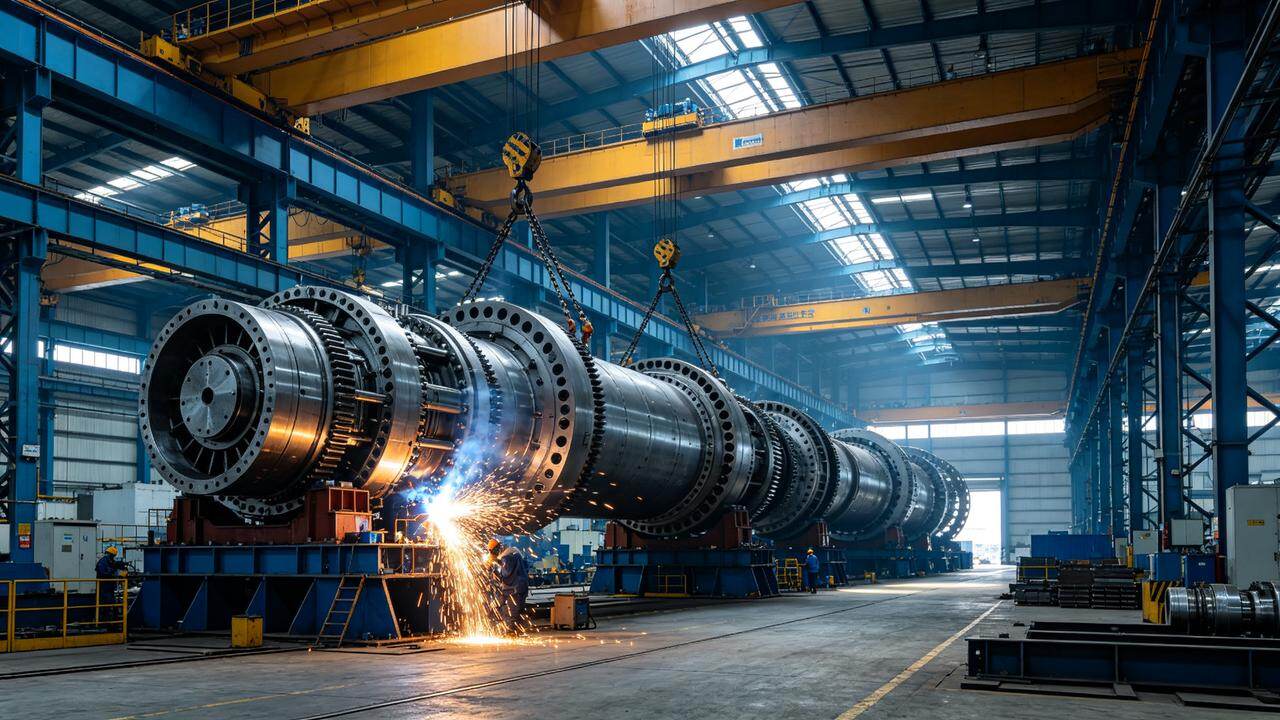
▲ Equipment manufacturing delivers projects: Seven critical milestones stand between signing and acceptance.
01 is hard because of the word "project".
While both fall under manufacturing, equipment manufacturing and assembly line production are fundamentally different. Assembly lines sell standardized products, whereas equipment manufacturing delivers projects. Three variables determine its management complexity.
First, Engineer-to-Order (ETO): nearly every unit is custom-built.Every device requires a custom design. It is common to design, procure, and produce simultaneously. With BOMs evolving in real time, quotes, lead times, and costs remain uncertain.
Second, the fulfillment chain is exceptionally long.From R&D and design to procurement, supply chain, manufacturing, installation, commissioning, and after-sales service, a single order represents a complex fulfillment chain. A failure at any node can delay the entire project.
Third, change is the norm, not the exception.Industry consulting data shows that over 70% of non-standard equipment projects experienced at least one major change during execution. These changes increased costs by an average of 8% to 15% of the total project budget. Managing changes through "verbal notifications + WeChat group messages" is the biggest driver of cost overruns.
The result is three instances of "loss of control":Out of controlManual tracking results in persistently high project delay rates.Uncontrolled CostsUnclear cost allocation; unsure of profitability after project completion.Loss of coordinationEach department handles its own slice, so problems always end up being "someone else's fault."
02 What is Project Lifecycle Management
Clear in one sentence:A management approach that connects sales, R&D, production, supply chain, and service into a single project-centric workflow—from opportunity quoting to after-sales support.
But first, let's clear up three common misconceptions: It's not PLM (which manages only R&D data), not project management software (which handles only plans and tasks), and not ERP (which covers resources and finance). Instead, it serves as the connecting thread that ties all three together.
What truly changes is that a single project number now unifies quotations, orders, BOMs, work orders, materials, costs, delivery, and after-sales support.Fully trackable, manageable, and auditableFrom the moment of signing, every project follows a clear, visible path.
03 Breakdown: The Complete Lifecycle of a Project
An equipment project typically follows seven phases:
Opportunities & Quotes:Base pricing on historical project data, not guesswork or winning bids through low rates.
Contracts & Initiations:Define scope, delivery dates, milestones, and budget baseline as the foundation for subsequent management.
R&D DesignEBOM, process planning, drawings, configuration and baseline management, design change traceability.
Procurement & Kit Assembly:Procure by project with full kit; get early warnings for missing parts and track key components to arrival.
Manufacturing:Workshop execution, bottleneck operations, outsourced management, real-time progress feedback.
Assembly and DebuggingAssembly Station Management, Debugging Logs, Issue Resolution.
Delivery & Services:Acceptance, document archiving, after-sales maintenance, and equipment history accumulation.
Each phase has clear deliverables and review points; the output of one stage becomes the input for the next—this is the essence of "end-to-end lifecycle."
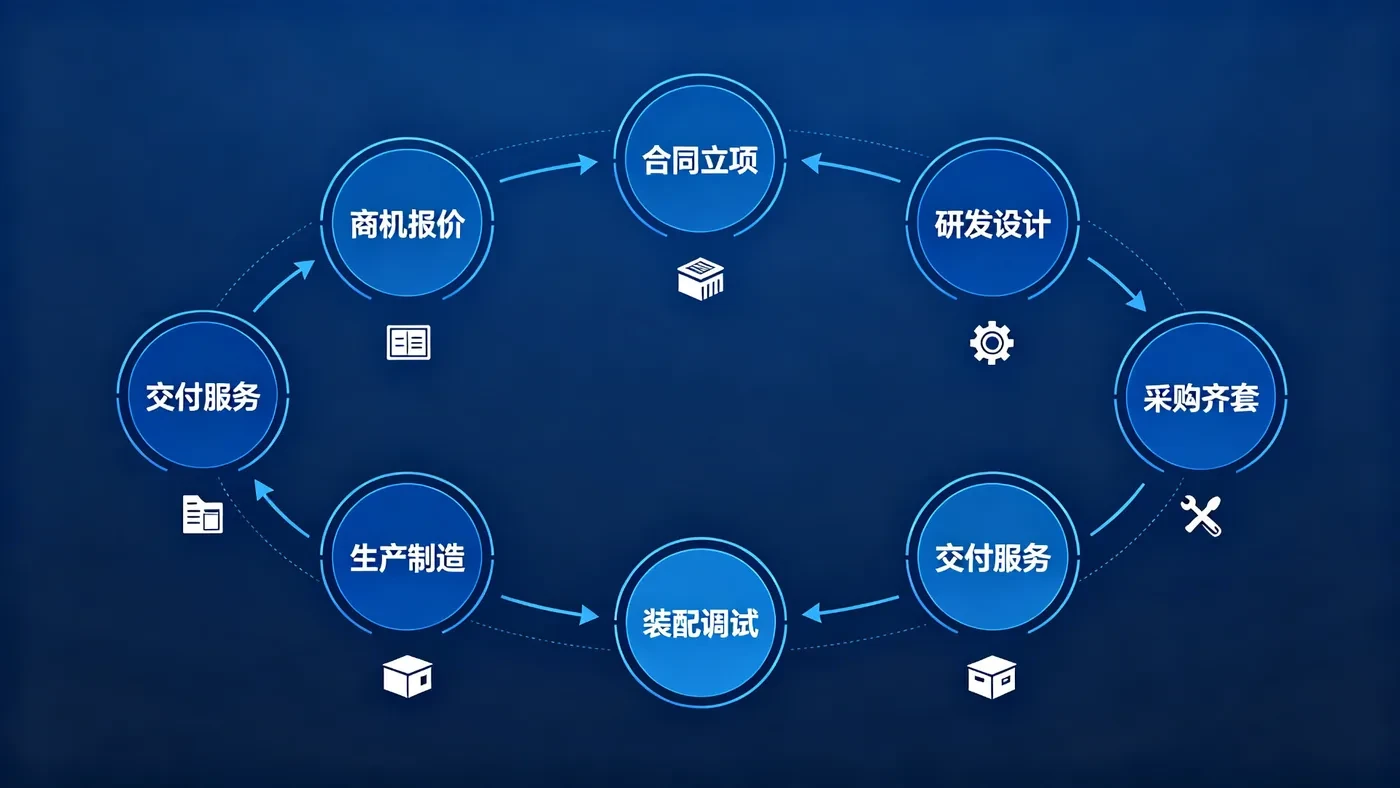
▲ 7 Stages of the Project Lifecycle: From Opportunity Quoting to Delivery Services, Seamlessly Connected
What does the 04 end-to-end solution look like? One core thread, four engines, and one closed loop.
A comprehensive solution can be summarized as "one core strategy, four key engines, and one closed loop."
One core thread: The project number runs throughout.Quote, Contract, Design BOM, Purchase Order, Production Work Order, Inbound/Outbound, and Cost Collection are all linked to a single project number. Any document can instantly answer: "Which project does it belong to, and what stage is it in?"
Four Engines:
R&D Engine (PLM):End-to-end consistency management from EBOM to process planning to manufacturing BOM, with closed-loop ECN change control—ensuring "no wrong purchases, no wrong picks, and no wrong assemblies."
Planning Engine:WBS breakdown, milestones, Gantt charts, resource load; real-time progress visibility and automatic overdue alerts.
Supply Chain Engine:Ensure project completeness, track procurement, coordinate outsourcing, and trigger shortage alerts—so materials drive the plan, not the other way around.
Manufacturing Engine (MES & Assembly Management):Shop floor execution, assembly stations, quality records, and exception closure. Expose and resolve on-site issues within the same day.
A closed loop: profit cycle.Dynamic budget tracking, early overspend alerts, and immediate profit consolidation at project close—know if your project is profitable or not as you go, not after the fact.
Change management spans the entire process: from customer requirement changes to design drawing updates, procurement order revisions, and workshop work order modifications. The full workflow ensures every stakeholder knows what changed and who is impacted.
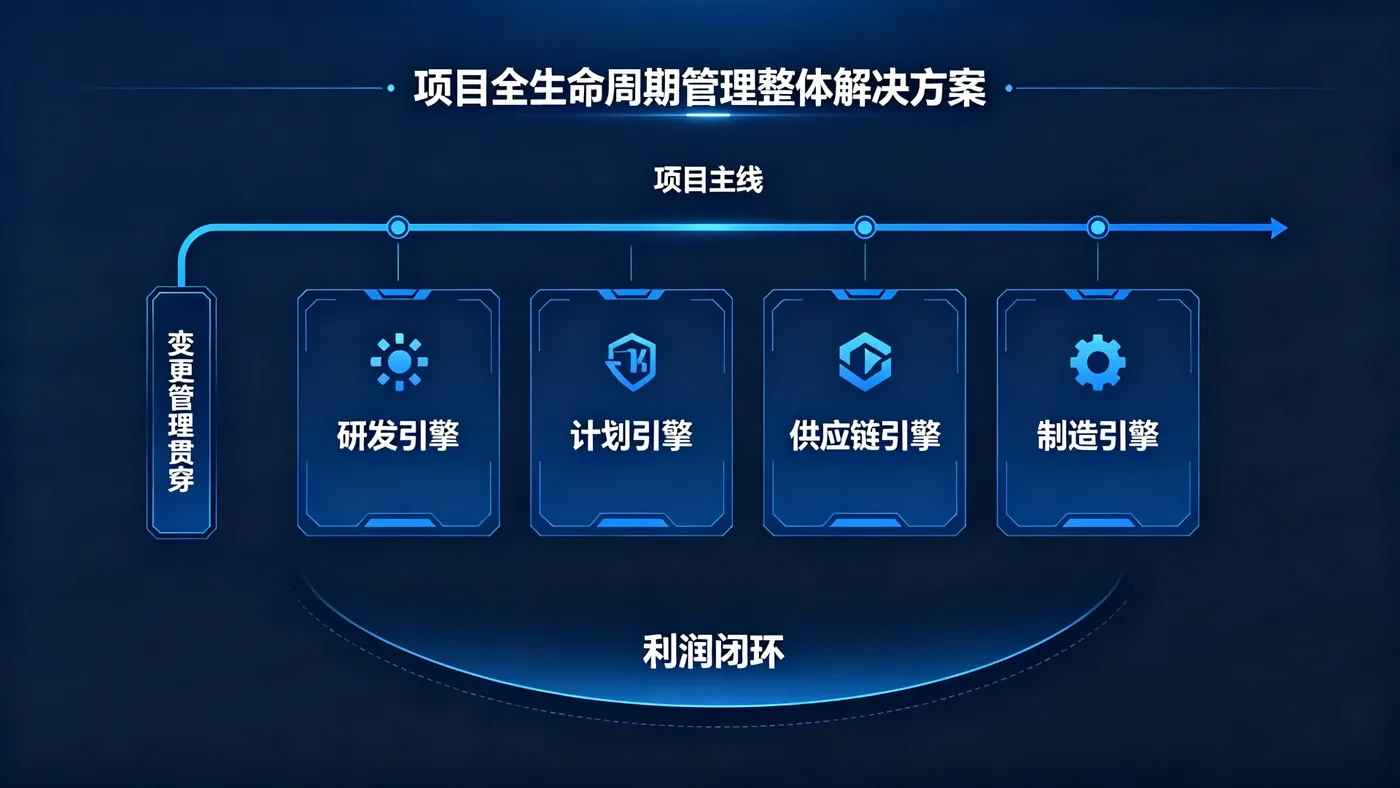
▲ One core thread connects sales, R&D, manufacturing, supply chain, and service. Four engines work in sync, change management is integrated throughout, and profit cycles are closed.
05 Case Study: What the Data Says
Improvements in project management for equipment manufacturing have proven practices already documented in the industry:
Enterprise | Practice | Source |
|---|---|---|
Hubei Jingchuan Intelligent Equipment (Provides high-end intelligent assembly lines for Bosch, Cummins, BYD, and others) | Shift from Experience-Driven to Data-Driven: Automated EBOM Creation, Drawing Collaboration, and End-to-End Digital Documentation | OpenEye Software Public Case Studies |
Heavy Industry Group | The digital process platform spans 14 subsidiaries, unifying the data flow from design to manufacturing. | Industry Media Coverage |
Sanfeng Turbine | R&D and Manufacturing Integration Platform Supporting the Construction of National-Level Smart Factories | Vendor-published content |
Ansaldo Energia (Italian power generation equipment supplier) | Component reuse increased by 20%–40%, design cycle shortened by 10%–15% | Siemens Official Case |
Note: The above cases primarily focus on R&D collaboration and data integration. The overall benefits of full lifecycle management (delivery time, cost, profit) must be calculated using enterprise-specific data and cannot be simply extrapolated.
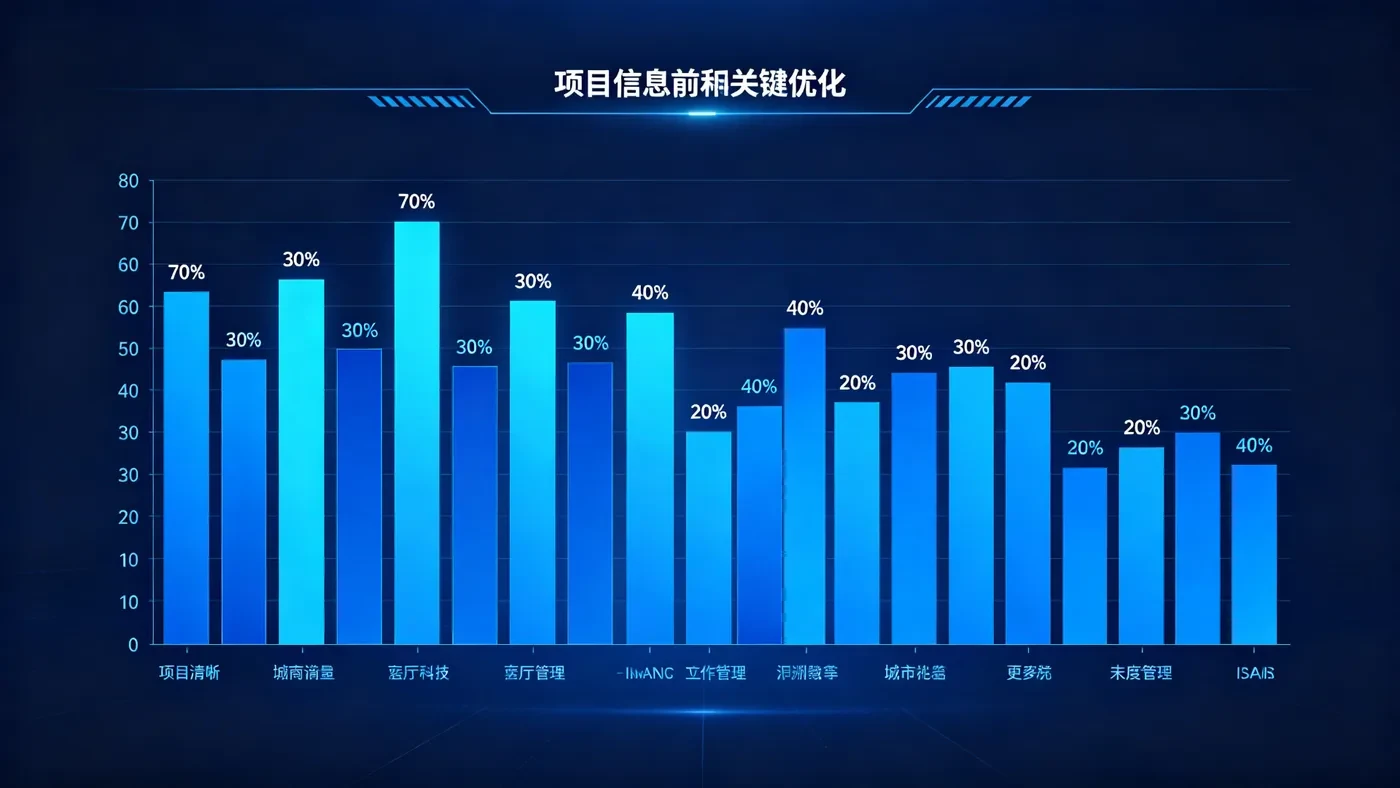
▲ From individual task tracking to full-chain visibility: we improve delivery times and protect profits.
06 3 Common Myths to Rule Out First
Misconception 1: "Implementing a project management software means achieving full lifecycle management."Project management software handles plans and tasks, but cannot manage BOM changes, material availability, or cost allocation. Even with perfect scheduling, design changes won't reach procurement or the shop floor, leading to wrong parts and rework.
Misconception 2: "PLM is only R&D's responsibility."If R&D data doesn't flow to procurement and production, PLM is just an "electronic filing cabinet" for R&D. Its true value lies in design changes automatically triggering updates to purchase orders and work orders on the shop floor.
Misconception 3: "Defer project accounting until later."Budget and execution are disconnected; overruns trigger post-hoc accountability. A key value of full lifecycle management is enabling real-time profit tracking, with early warnings for budget overruns.
How to get started with 07 enterprise implementation
Instead of asking whether to implement a system, start with these four steps:
Step 1: Define the project master data and template.WBS Template, Milestone List, Deliverables List, and Project ID Coding Rules — Establish a baseline before managing.
Step 2: Connect the data flow.First, ensure BOM consistency: align the EBOM, process BOM, and manufacturing BOM before addressing other areas.
Step 3: Run a pilot.Select 1–2 representative projects and run them end-to-end in the system to validate the solution with real results.
Step 4: Mechanism Support.Change management processes, project accounting rules, and cross-departmental meeting mechanisms — systems are just tools; only robust mechanisms ensure lasting results.
In equipment manufacturing, competition boils down to two things: can you deliver on time, and can you make money from what you deliver. Project lifecycle management isn't about deploying software; it's about establishing a visible, controllable thread for every project from the day it's signed.
The real question isn't "Should we implement a system?" but rather: "From contract signing to after-sales support, is every step of our project owned by someone and backed by data?" If the answer is no, that's where change begins.
Fact Source:
1. ETO (Engineer-to-Order) Characteristics: High customization, long lead times, complex project management, and frequent changes. Verified against cross-referenced industry public data.
2. Order fulfillment chain (R&D → Procurement → Production → Assembly → Commissioning → After-sales; a break in any link causes overall delays): Industry content and public data from equipment manufacturing MES vendors.
3. Change Data (At least one major change occurred in 70% of non-standard equipment projects, with change costs averaging 8%—15% of total project cost): Arm LTC Consulting article; industry benchmark for reference only.
4. Hubei Jingchuan Intelligent Equipment Case: KaiMu Software Public Case.
5. Heavy Industries Group Case (14 subsidiaries, integrated design-process-production data flow): Electronic Engineering Times industry report.
6. Sanfeng Turbine Case (National Excellence Smart Factory): Kaimu Software Public Content.
7. Ansaldo Energia case (component reuse rate increased by 20%–40%, design cycle shortened by 10%–15%): Official Siemens case study.
Related Solutions
Enterprise AI Transformation + FDE Advisory Coaching
Provides end-to-end AI-driven digital transformation top-level planning and full-cycle implementation support for enterprises.
When SRM Meets AI Agents: Supply Chain Management is Evolving
Has your enterprise implemented SRM? Where are you stuck—data, rules, or organization?
AI Agents in the Workshop: A MOM Manufacturing Operations Solution Built on WorkBuddy
AI Agent + MOM: Bridging the Gap from "Chatting" to "Getting Things Done" with a Robust Foundation.